Nek Tours with the New TT+ Audio GTX 7C Cardioid System - TT Audio

Nek Tours with the New TT+ Audio GTX 7C Cardioid System
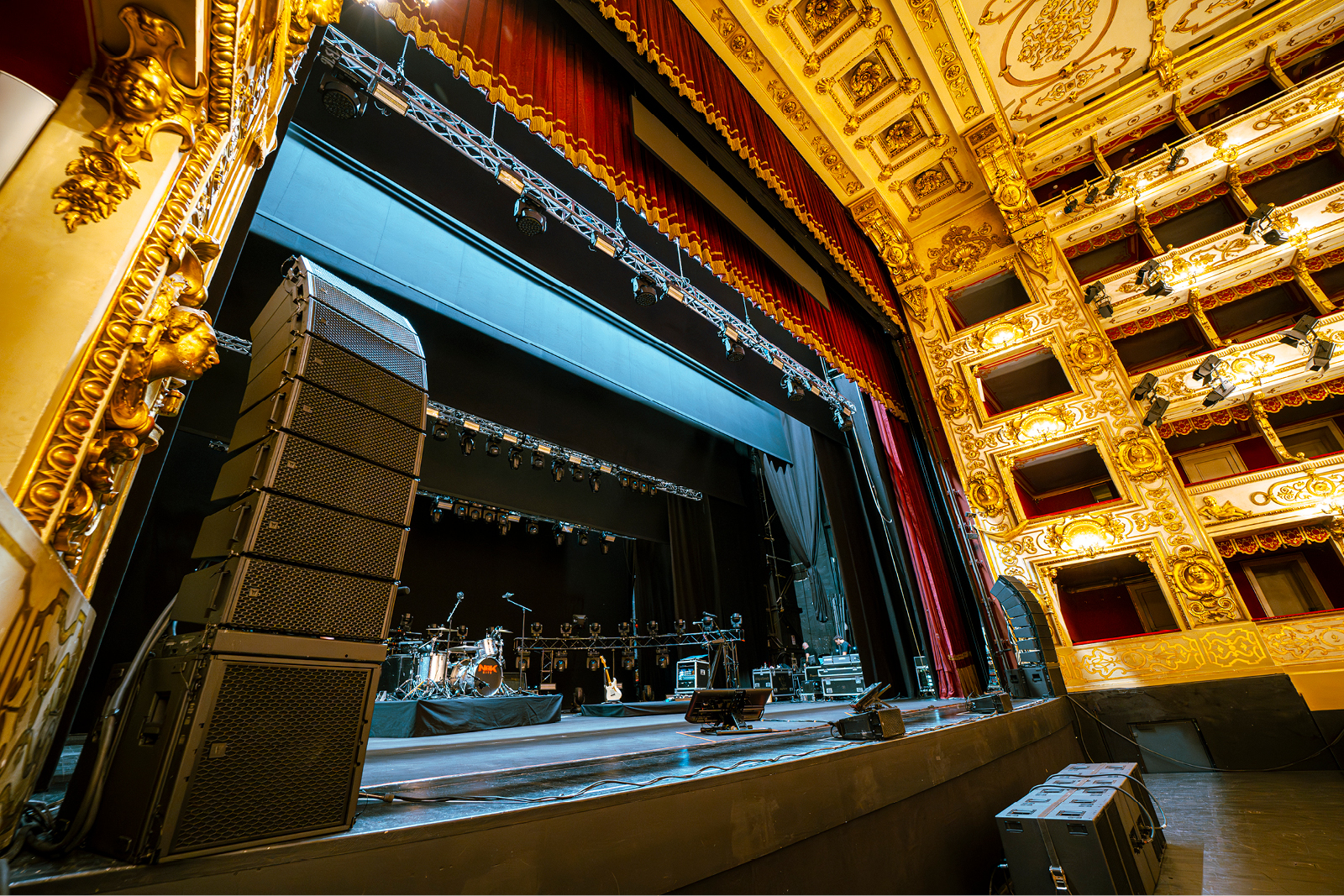
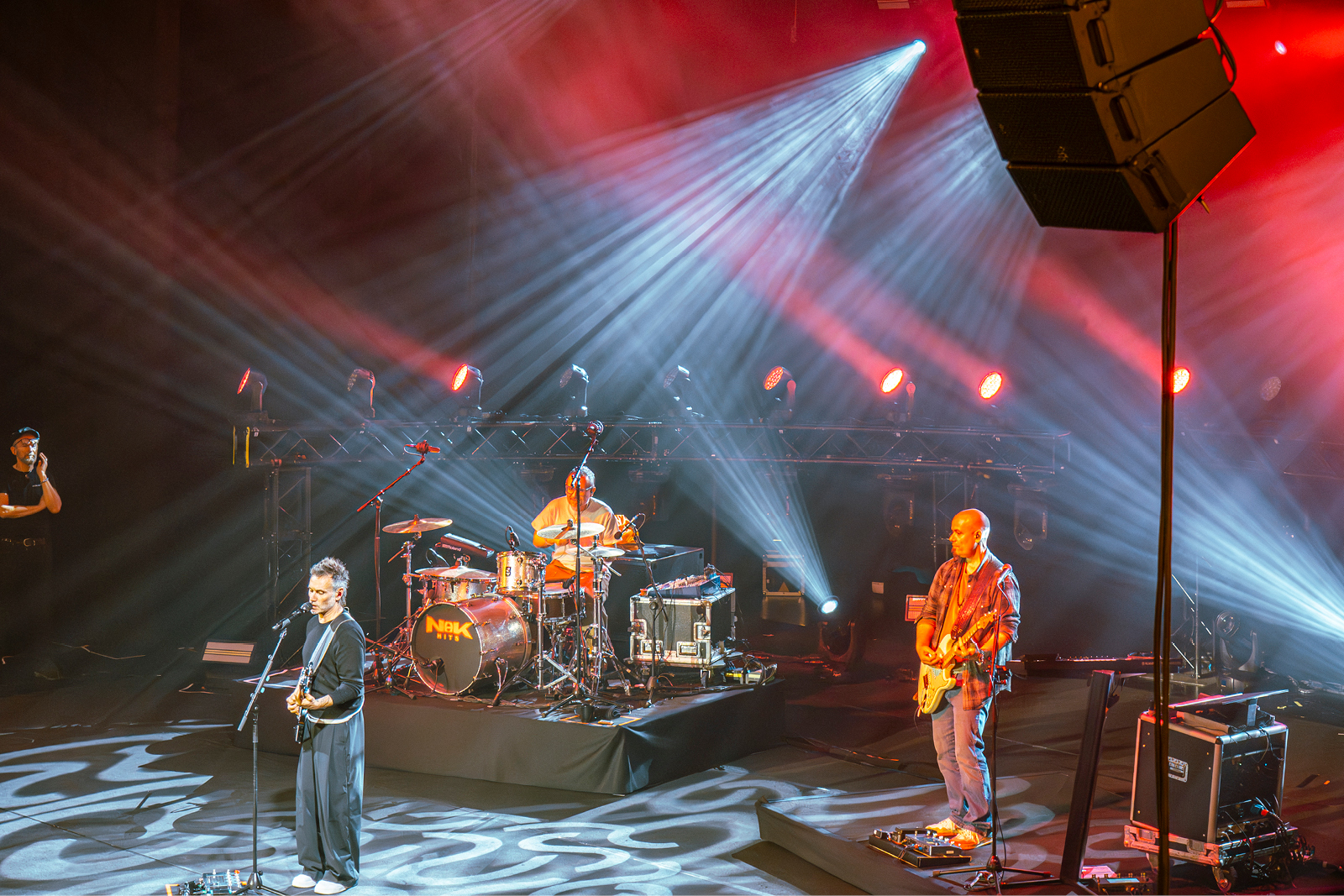
The NEK HITS tour brings Nek back to the stage with a production built around the raw energy of live performance. One of Italy’s most established contemporary artists, Nek has built a career that extends well beyond his home market, combining pop-rock songwriting, strong live performances, and a direct connection with his audience.
For this tour, the format is deliberately lean: a power trio with Nek on bass and lead vocals, Emiliano Fantuzzi on guitar and keyboards, and Luciano Galloni on drums. The stage setup is essential, but the production behind it is carefully engineered to move efficiently between very different venues while maintaining consistent sound, fast deployment, and precise control. Audio and lighting support is provided by ORANGE S.r.l.
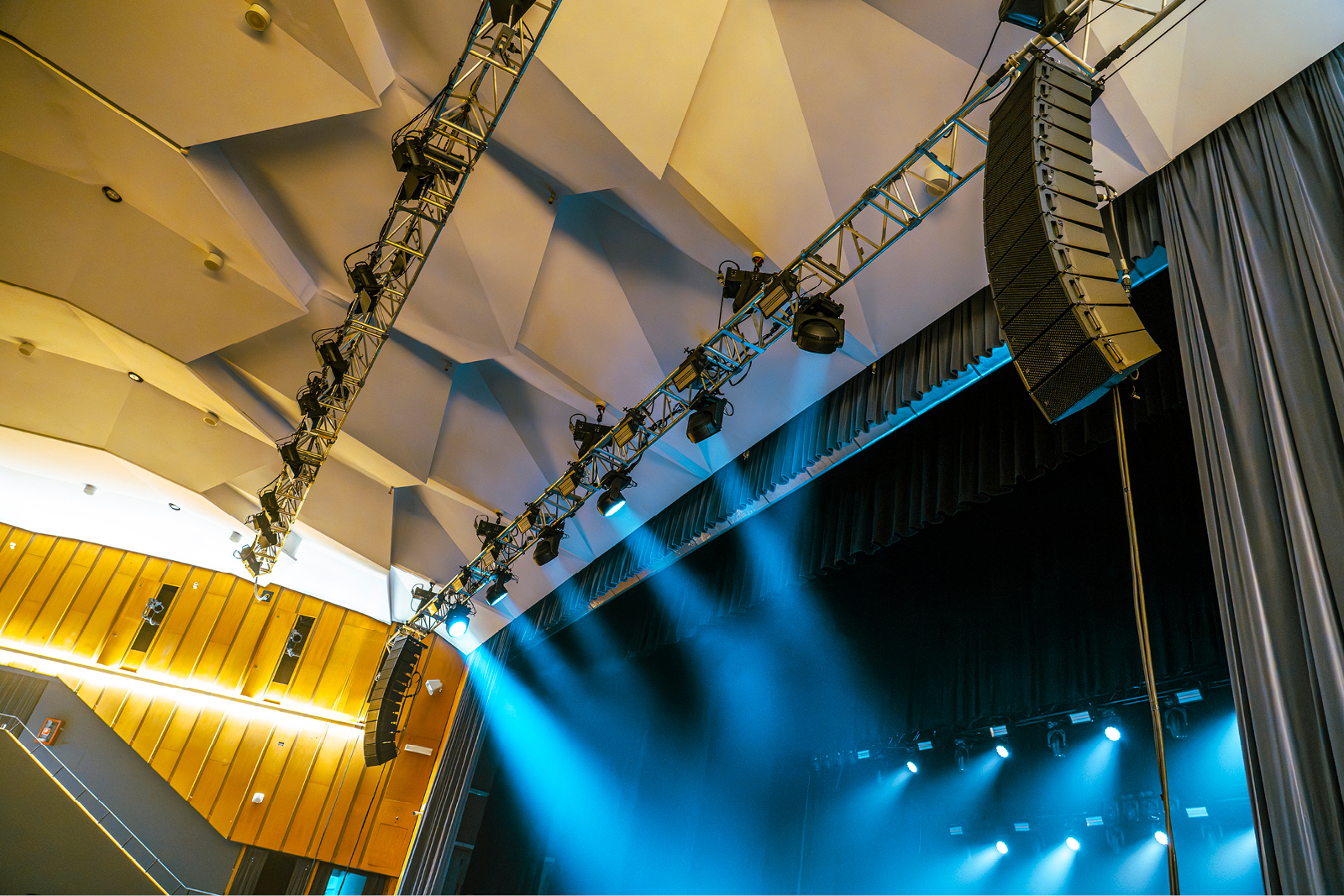
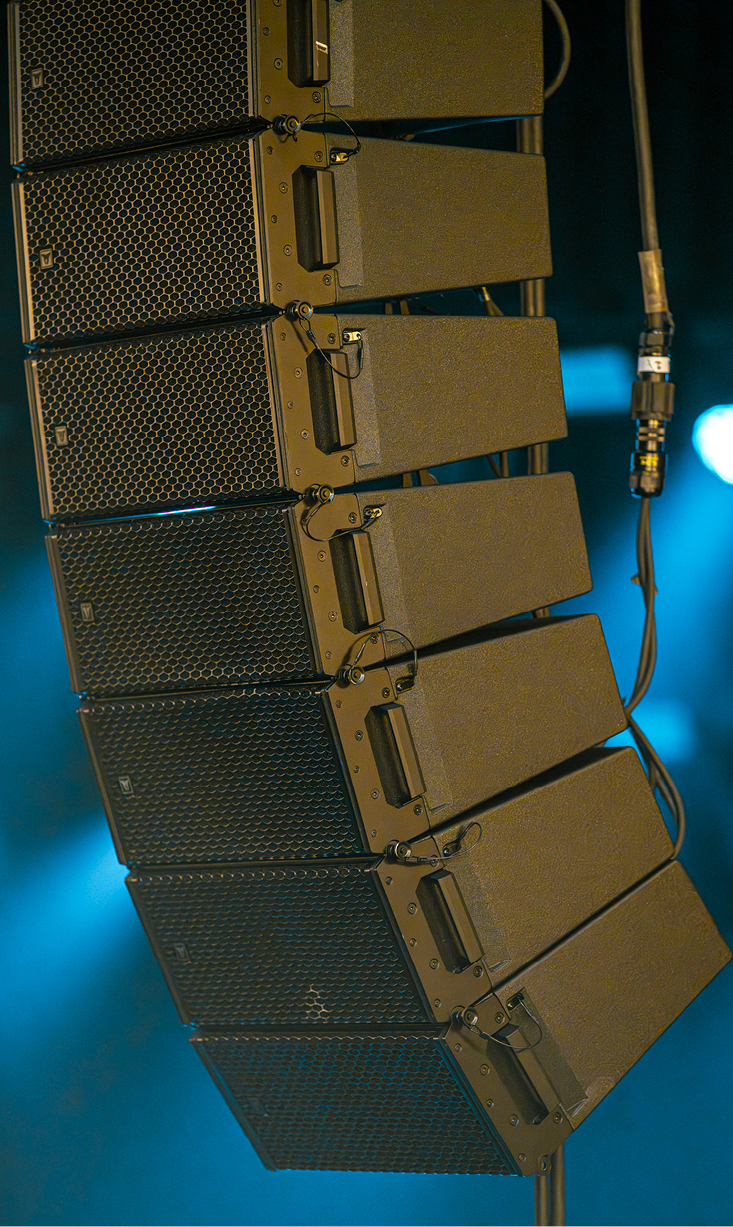
At the center of the sound system is the new TT+ Audio GTX 7C, a compact cardioid line array module developed for touring applications that require high sound pressure level, intelligibility, controlled directivity, and reduced sound energy on stage. Each GTX 7C module delivers up to 140 dB max SPL, with 120° x 10° coverage and independently managed front and rear transducers for variable cardioid configurations. The system provides an average rear attenuation of 22 dB.
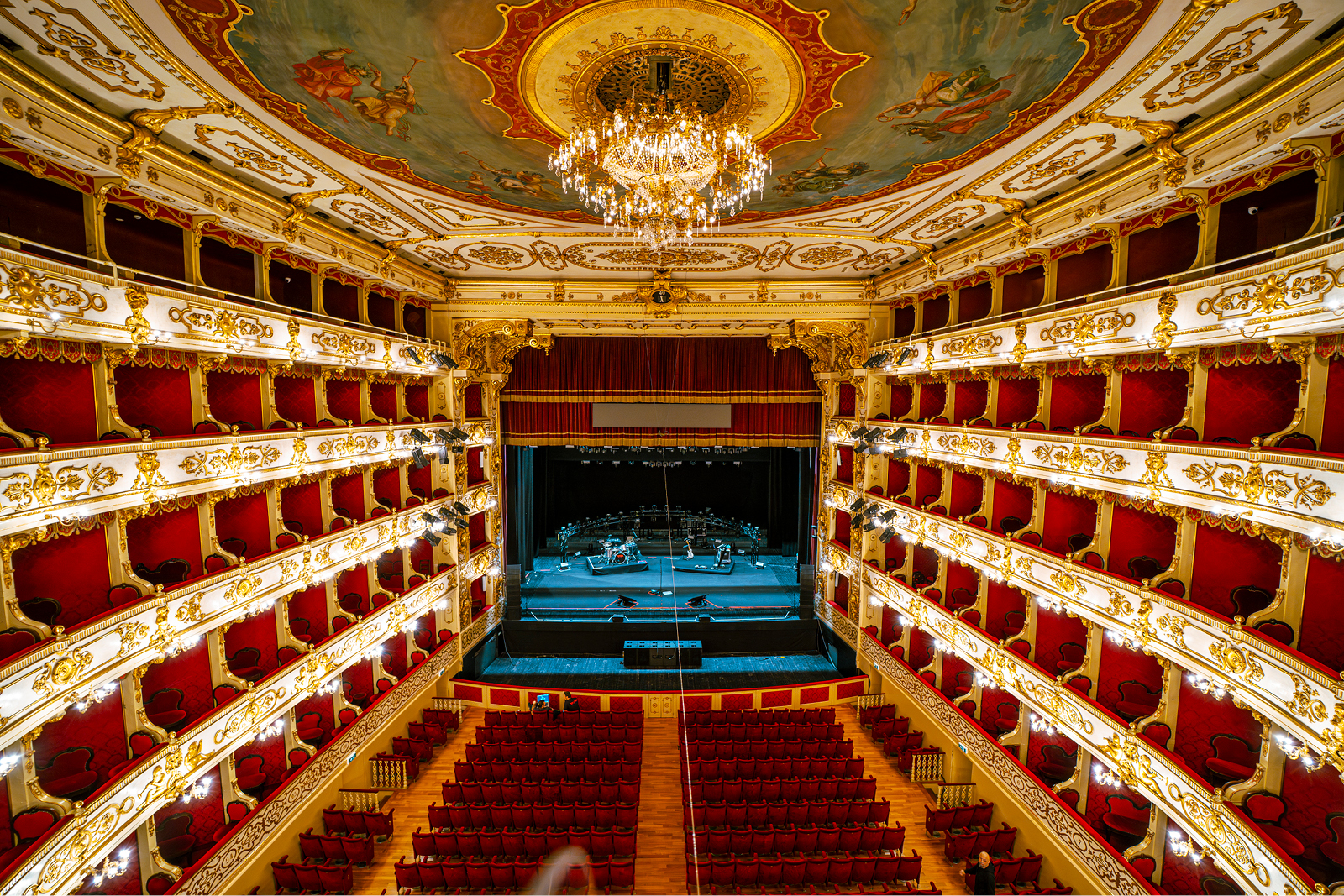
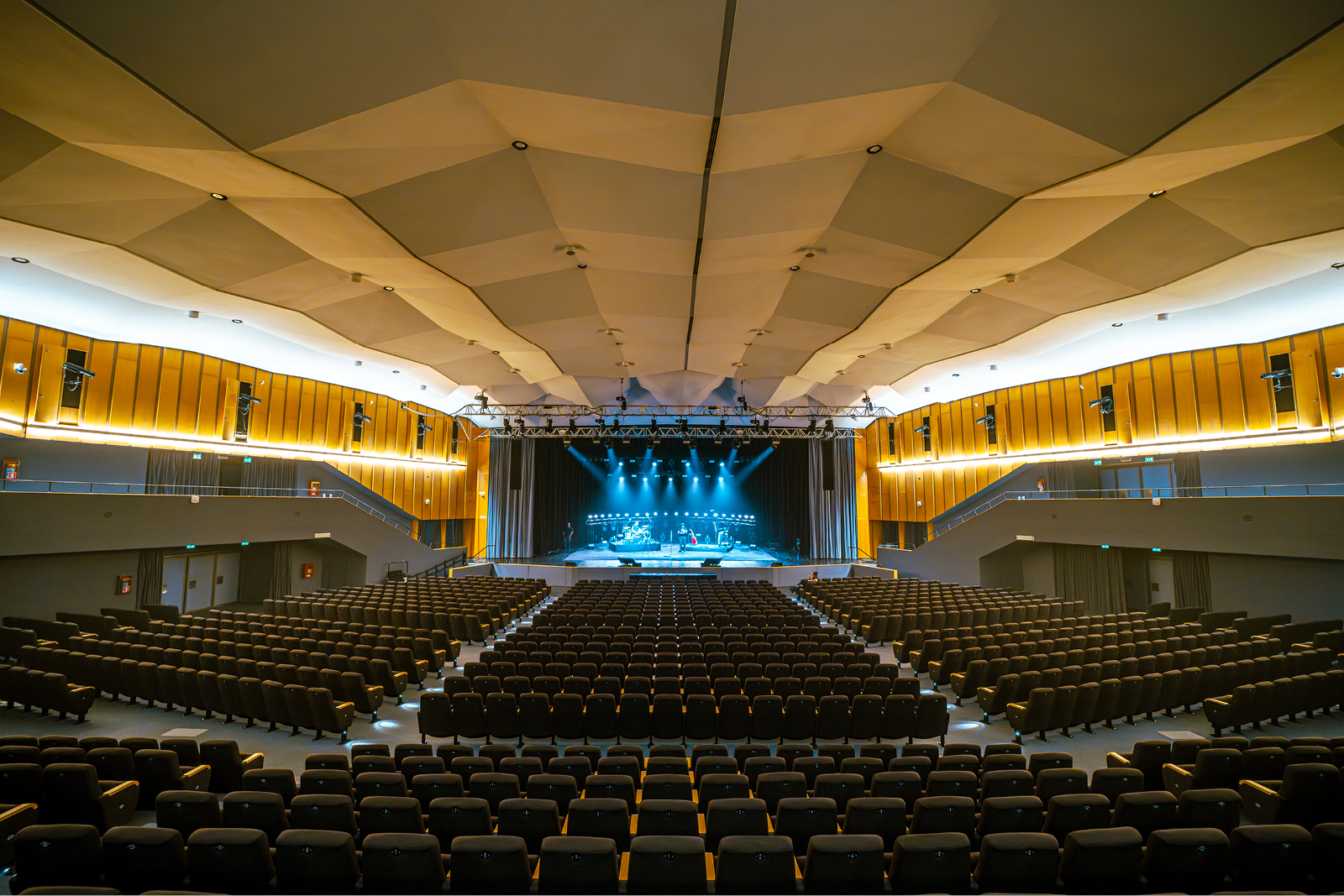
“The tour is built around one trailer, including the full audio and lighting package needed for the larger venues, such as Teatro Arcimboldi in Milan, which seats more than 2,300 people,” said Gustavo Ferretti of ORANGE. “Most of the trailer space is taken up by the lighting rig. GTX is so compact that once you see it installed, it is hard to believe how much power it can deliver, especially with cardioid control built into the system.”
According to Emanuele Morlini, system engineer and product specialist for TT+ Audio, the Nek tour marked the first complete touring application for the GTX 7C.
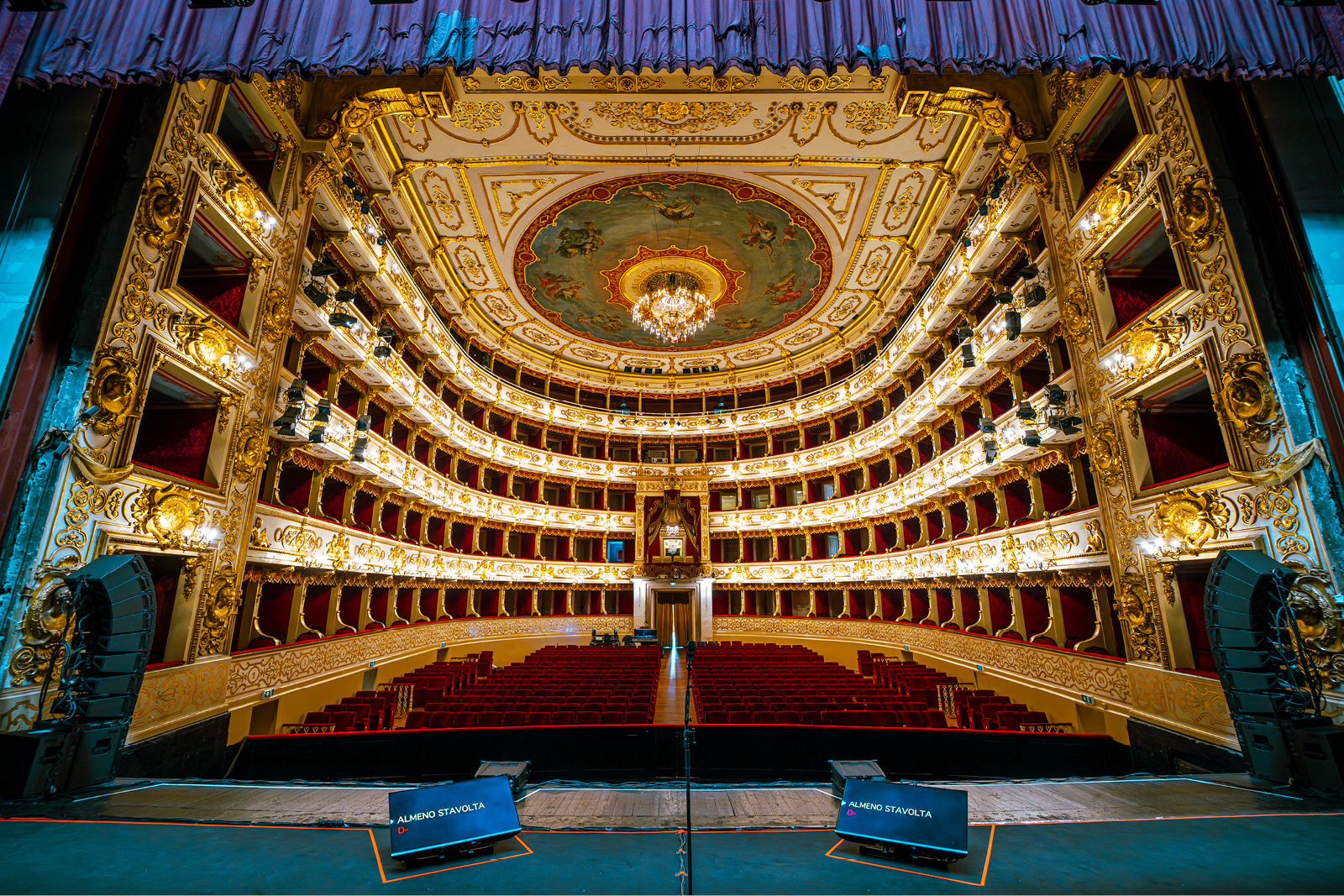
“We had already used the system on several live events while refining its performance, but this was the first real tour for the new GTX 7C,” Morlini said. “When the production team contacted us about using it across a schedule that included historic theaters, modern halls, and more complex venues, it was a valuable opportunity to follow the system closely and evaluate its behavior in different conditions.”
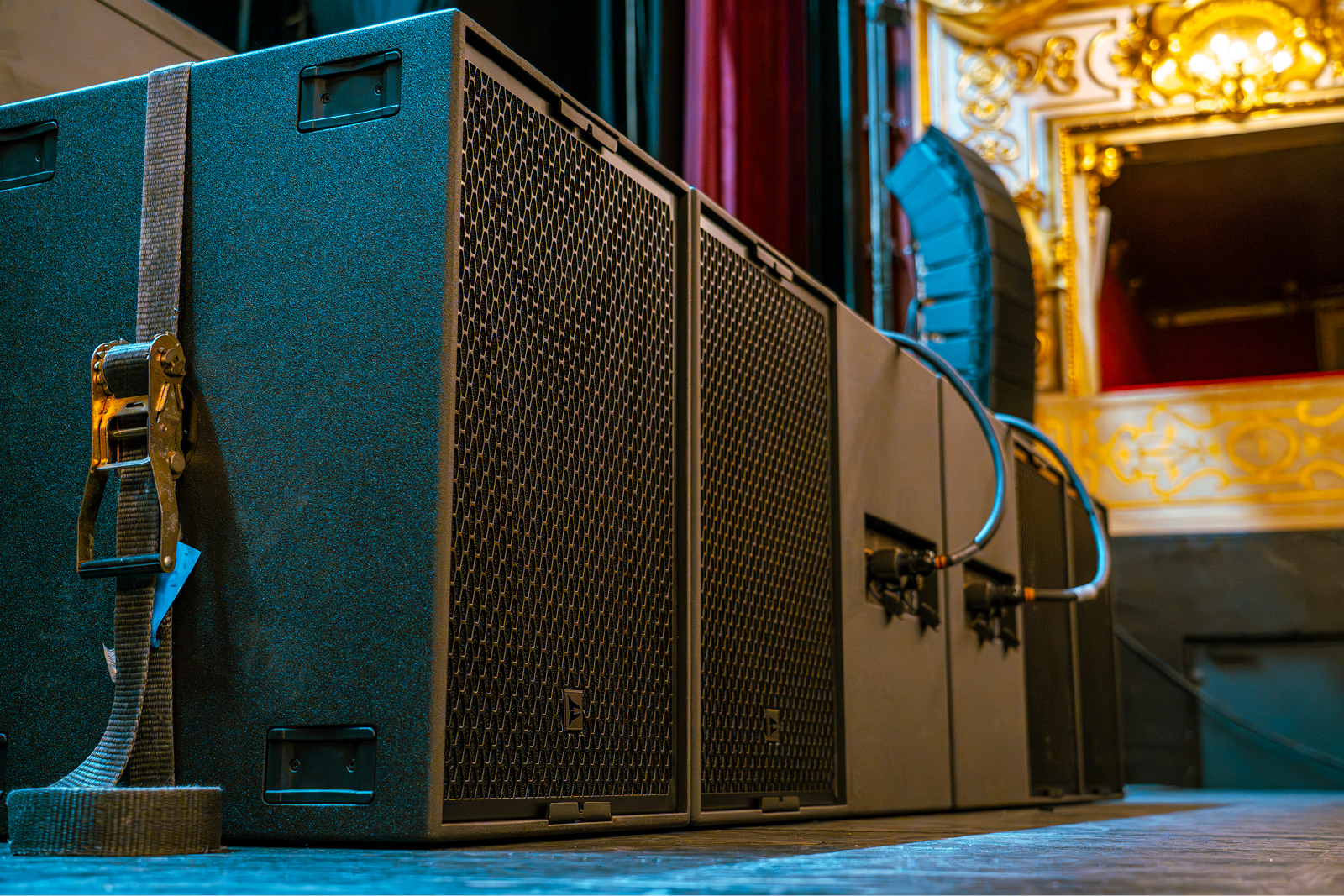
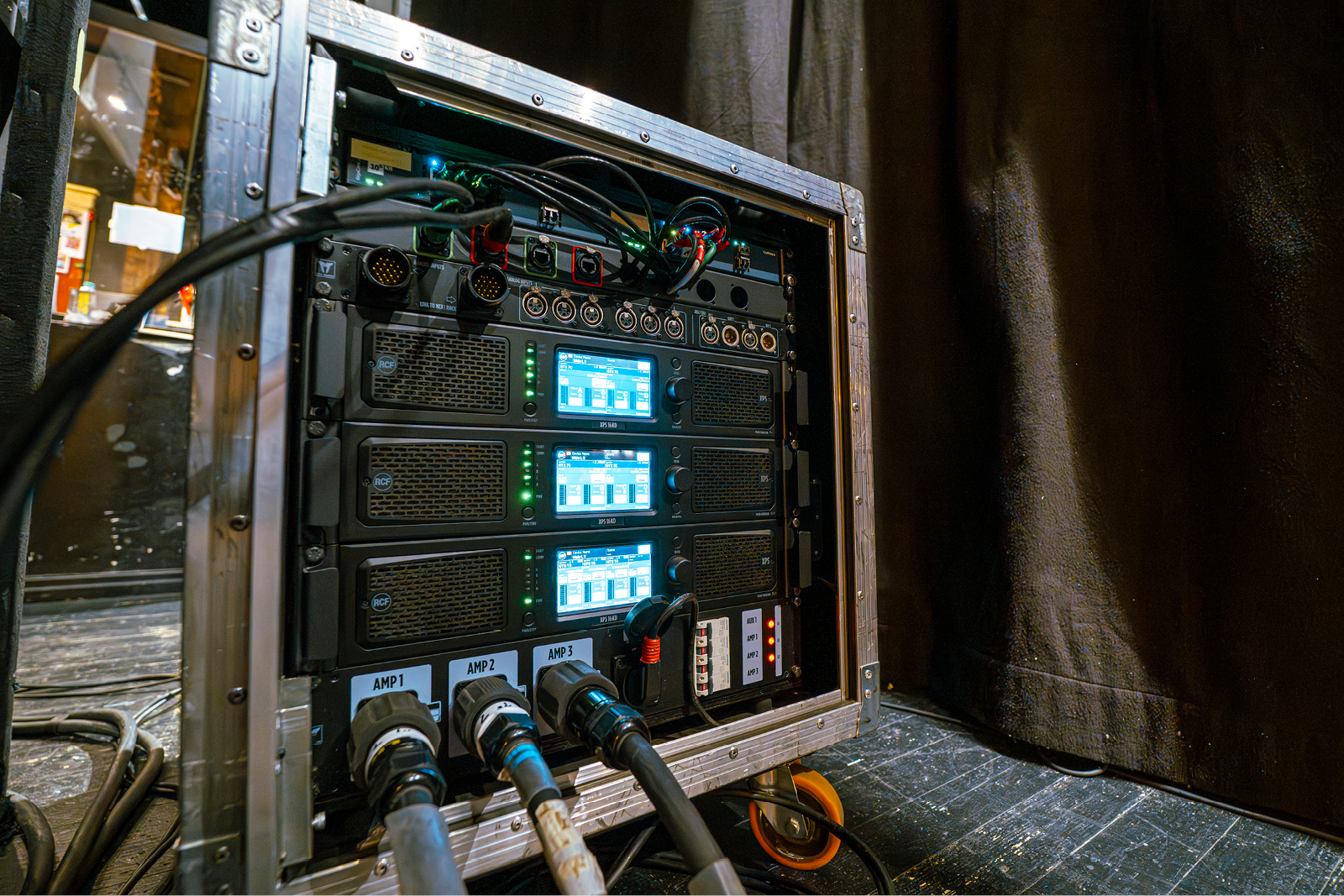
The standard system configuration included 16 GTX 7C modules per side, with 8 GTS 19G subwoofers, adapted to each venue’s requirements. For first-row coverage, the team used 6 HDL 26-A modules as front fills.
“The subs were usually configured in a straight cardioid line, but the approach was adjusted from venue to venue,” Morlini continued. “Nek performs bass and lead vocals using in-ear monitors only, and from the first rehearsals he immediately noticed how quiet the stage was. At the same time, we wanted to give him a stronger physical connection with the low end of his instrument without adding wedges or increasing stage volume. We therefore worked on a hypercardioid subwoofer setup that focused low-frequency energy on his central position. It worked very well and, with small adjustments, we used it on almost every date.”
For Daniele “Didi” Bagnoli, front-of-house engineer, the system’s behavior was especially relevant in venues where amplified music can be difficult to manage. “In some venues, especially rooms originally designed for acoustic performance, the results were impressive,” Bagnoli said. “The precision of the GTX 7C and the stereo image were remarkable across a large part of the audience area, and the band had exactly the impact I was looking for. I could not be more satisfied.”
The cardioid behavior of the main arrays also supported the work of Marzio Alberga, monitor engineer. “After the concert, my ears are still fresh!” Alberga said. “Joking aside, what you notice on stage is the absence of low-mid buildup coming back from the PA. That improves the focus and intelligibility of the in-ear mixes and allows the musicians to work at lower listening levels. The ability to adjust rear rejection, from cardioid to hypercardioid or low-cardioid behavior, not only reduces direct spill from the PA to the stage, but also helps manage the system’s interaction with the room.”
Alberga added that all musicians worked entirely on in-ear monitors. “For Nek, we wanted to provide a more physical perception of the low frequencies, especially bass and kick drum,” Alberga said. “Emanuele Morlini’s support in configuring the subs allowed us to create controlled punch only in the central area of the stage, while keeping the other positions clean and avoiding the use of additional subwoofers on stage.” A drum fill was added using a single SUB 8004-AS behind the drummer.
For Bagnoli, the system’s variable cardioid behavior became a central part of the tour’s sound strategy. “When I was first offered this system, it had only recently reached the market and there was not much feedback from other engineers, so I approached it with some caution,” he said. “The cardioid concept interested me, especially for the more complex venues, but the real test is always hearing it in context. Once I listened to it, the system immediately made sense. Since this was the first tour with the GTX 7C, I asked Emanuele to follow the project with us. It gave me confidence to have direct technical support while we were taking the system into so many different venues.”
“The absence of rear energy from the array, combined with controlled dispersion, makes a real difference,” Bagnoli continued. “The mix becomes clearer, and intelligibility benefits directly.” In traditional Italian-style theaters, where architectural constraints often influence system deployment, the team frequently selected a hypercardioid configuration. When flying the system was not possible and a ground-stacked deployment was required, this operating mode helped maintain feedback control and gave Nek greater freedom of movement on stage, even when performing close to the PA.
“This allowed me to focus on the band’s impact and musicality instead of compensating for the room,” Bagnoli concluded. “We have worked with many high-end systems, but for this kind of application, the GTX 7C stands out for its combination of quality, control, and precision. It is one of the most effective solutions I have used in complex venues, and I am glad to say that after being among the first engineers to take it on tour.”
Related products

SUB 8004-AS
SUBWOOFER ATTIVO AD ALTA POTENZA
- Potenza di picco 2500 Watt
- Woofer da 18"
- Risposta in frequenza 30 Hz - 120 Hz
- 136 dB max SPL

HDL 26-A
MODULO LINE-ARRAY ATTIVO A 2-VIE
- Max SPL: 133 dB
- Amplificatore due canali da 2000 W
- Esclusiva tecnologia FiRPHASE integrata
- Punto di crossover a 750 Hz, per una riproduzione dei segnali vocali ottimale

RDNET
SOUND SYSTEM MANAGEMENT AND CONTROL SOFTWARE
- Complete Monitoring and Management
- Array and Zones grouping
- Real-Time measurement suite with SPL Logger
- Adjust parameters on individual components
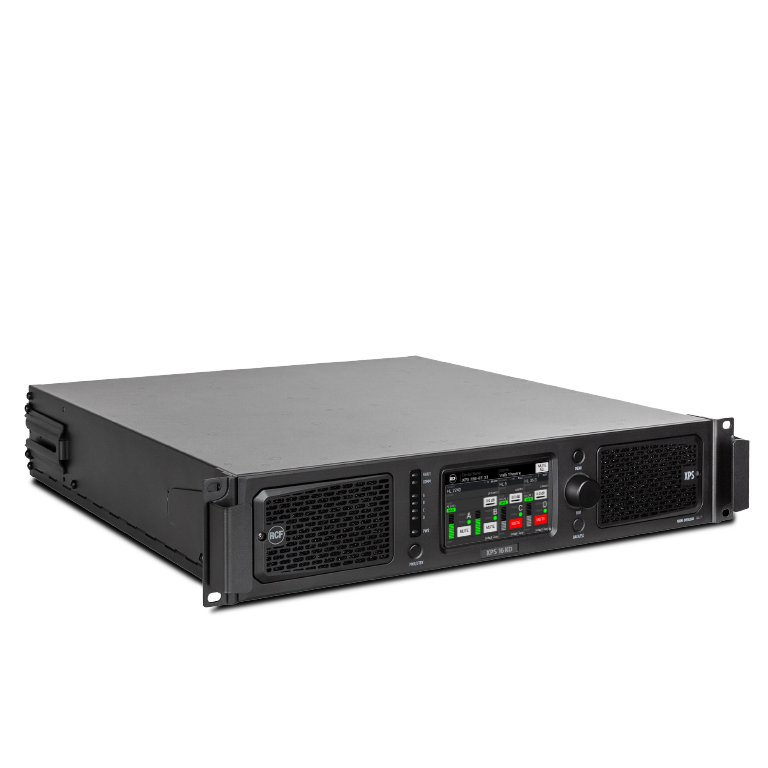
XPS 16KD
AMPLIFICATORE 4 CANALI CON DSP
- 16000 W totali di potenza continua
- Rete audio Dante
- Libreria di preset per diffusori a bordo
- Gestione remota via RDNet

GTS 19G
HIGH-PERFORMANCE SUBWOOFER
- 140 dB max SPL
- 19” neo woofer, 4” v.c.
- Designed to operate with XPS 16K amplifier (8 modules per amp unit)
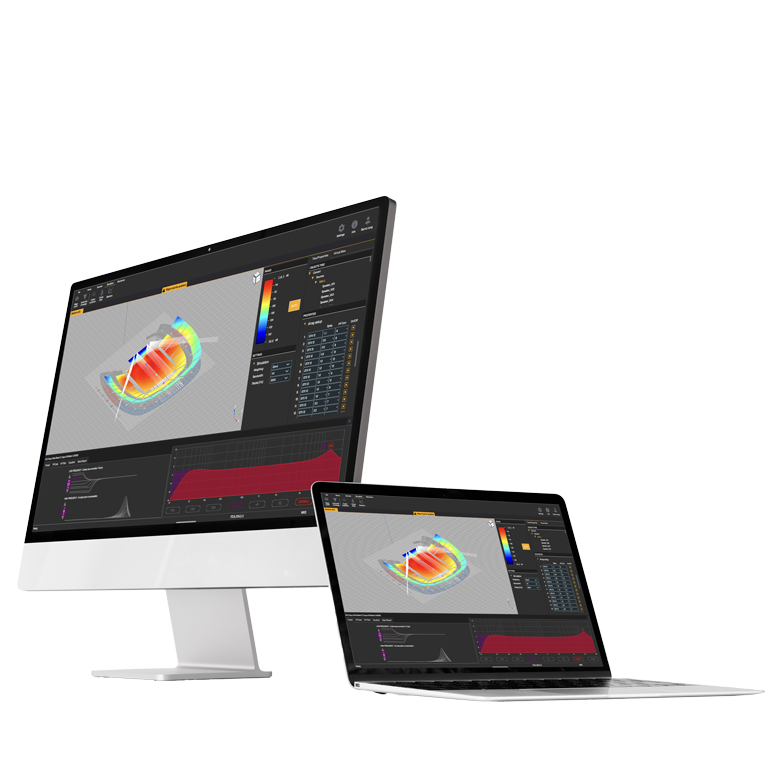
RDSHAPE
3D SOUND SYSTEM DESIGN AND PREDICTION TOOL
- Accurate 3D Acoustic Simulation
- Comprehensive Sound System Design
- Mechanical Validation and Safety
- 3D Venue Modeling
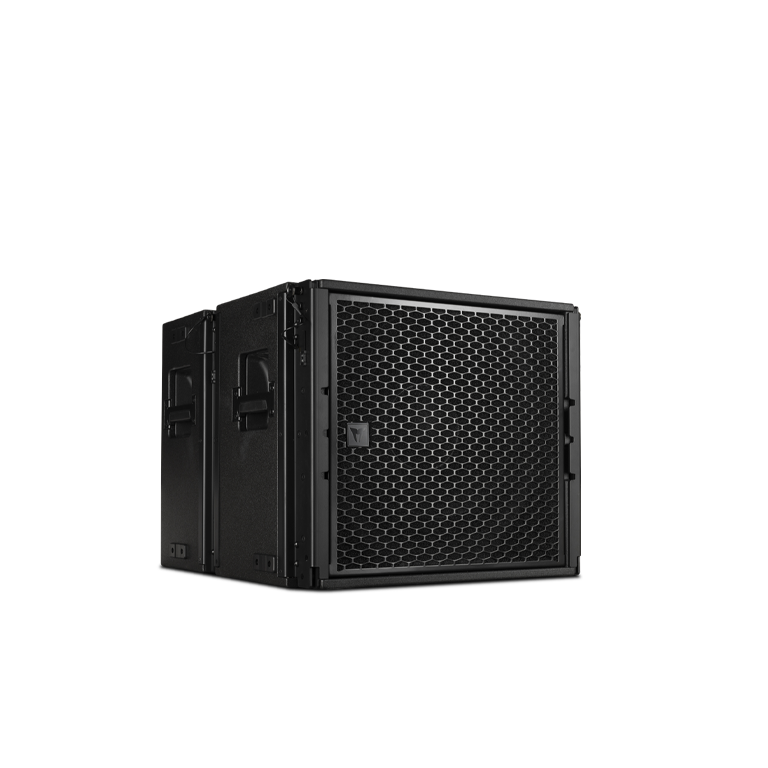
GTS 16C
HIGH-PERFORMANCE FLYABLE CARDIOID SUBWOOFER
- 137 dB max SPL
- 16” neodymium woofer
- 14” neodymium rear woofer
- GTX 7C compatible suspension fittings
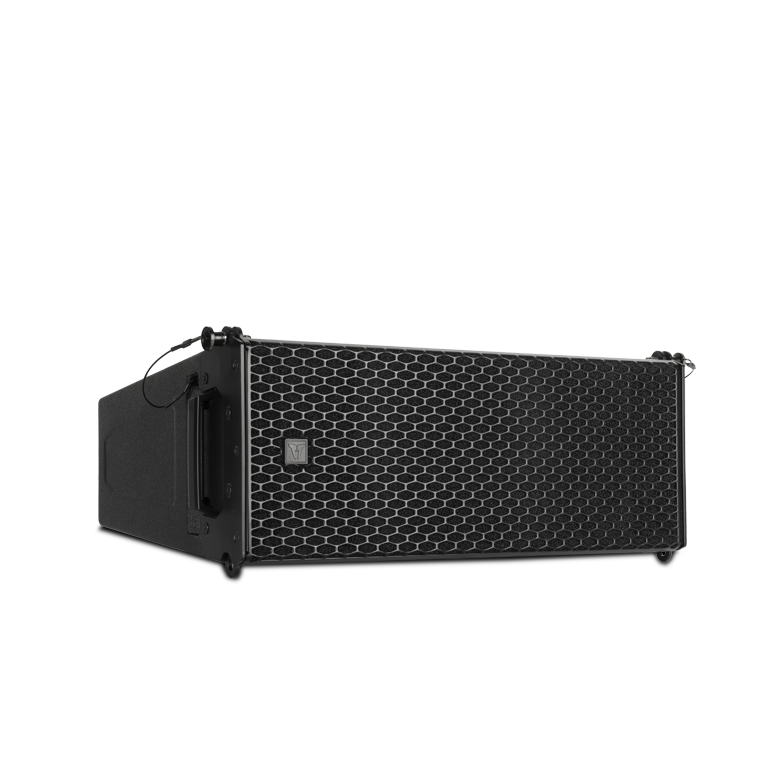
GTX 7C
COMPACT CARDIOID LINE ARRAY
- 140 dB max SPL
- 22 dB rear attenuation (average)
- 120° x 10° Linear Resistive Waveguide
- Shock-absorbing, polyurea-coated PU Enclosure